Bathroom Renovation in Irish Homes: Practical Design Tips
Design a functional bathroom that handles Irish moisture and natural light. Learn about materials, ventilation, and blending Scandinavian minimalism with cottage warmth.
Why Your Bathroom Needs Special Attention in Ireland
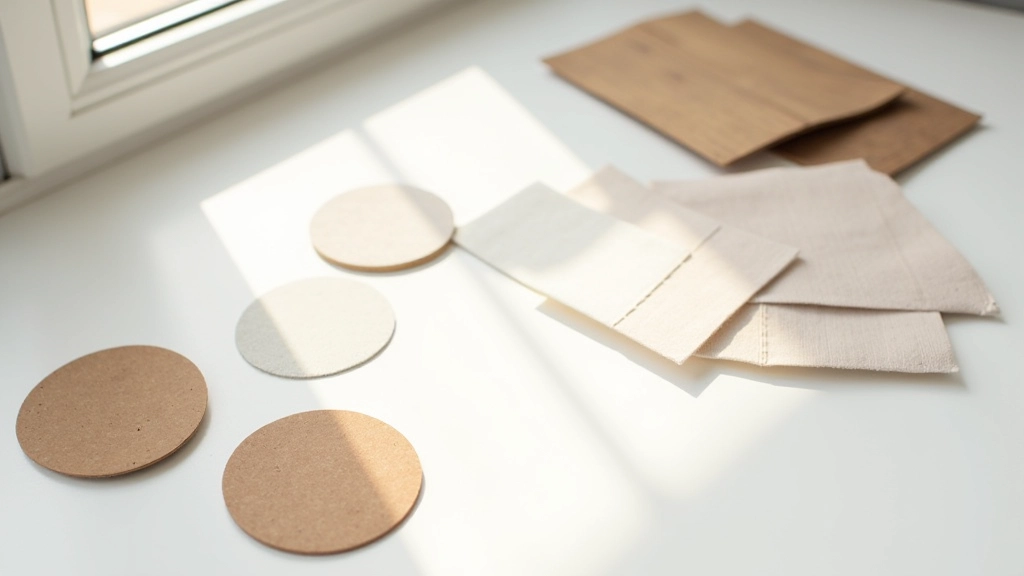
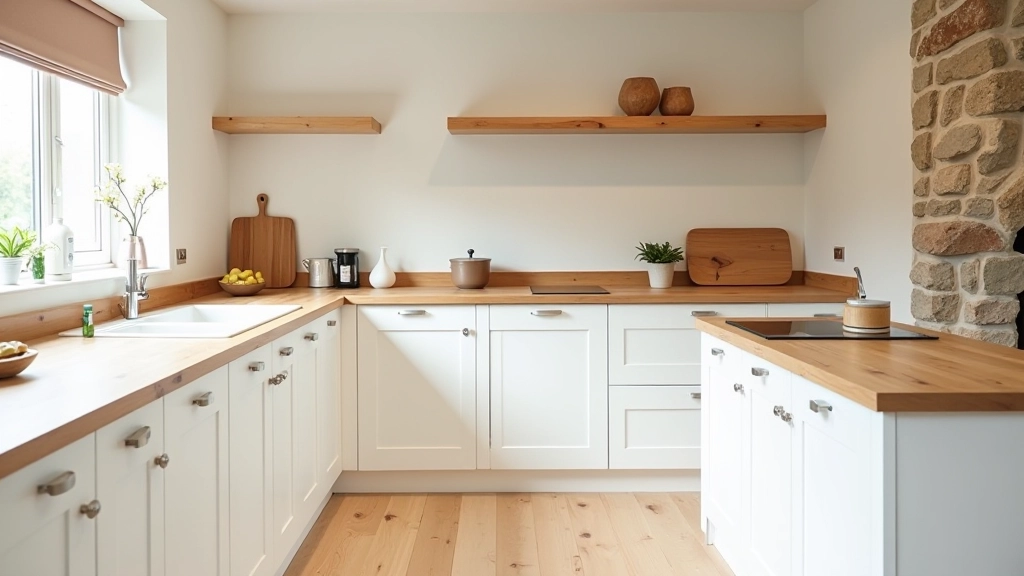
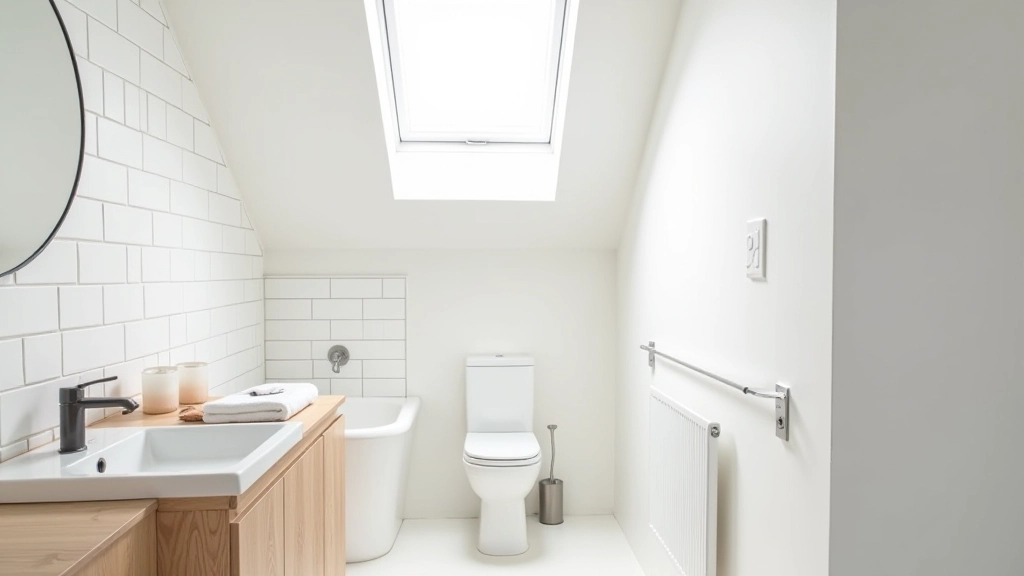
Irish homes face unique challenges. Moisture, dampness, and inconsistent natural light are constants here. You'll want to design a bathroom that's not just beautiful—it's resilient. The good news? You don't need to sacrifice style. We're seeing more Irish homeowners blend Scandinavian minimalism (clean lines, light woods, whites) with traditional cottage warmth (natural materials, earthy tones). It's actually working brilliantly.
This guide walks through the practical decisions that'll make a real difference. We'll cover ventilation (crucial for moisture), material selection, lighting strategies, and how to work with the natural conditions of your space rather than against them. Most of these principles take about 90 minutes to understand properly.
Moisture Control
Ventilation and material choice prevent damp problems before they start.
Natural Light
Strategic window placement and light-reflecting surfaces maximize available daylight.
Design Balance
Combining minimalism with warmth creates spaces that feel both clean and inviting.
Ventilation: The Foundation of a Healthy Bathroom
Here's what most people miss: you can have the best tiles and fixtures in the world, but without proper ventilation, you're fighting moisture. Irish humidity means steam lingers. It settles into walls, around frames, behind mirrors. That's where problems start.
You'll need an extractor fan. Not optional. The standard recommendation is that your fan should extract the entire bathroom's air volume about 5-8 times per hour. For a typical 8m² bathroom, that's roughly 40-60 cubic metres per hour capacity. Most modern fans run at 80-100, which is solid. What matters most? Install ducting that goes outside (not just into the attic). Position it away from windows—you don't want humid air just going back in.
Bonus: a humidistat-controlled fan (turns on automatically when humidity hits about 60%) means you're not manually managing it. Set and forget. They cost maybe €150-200 more but save energy and hassle.
Quick Tip
Run your extractor fan for 20 minutes after a shower. Don't turn it off immediately—give it time to pull moisture from walls and fixtures.

Material Selection: What Actually Works in Irish Conditions
Moisture is your enemy, so materials matter. You want things that either shed water or handle it without degrading. Let's talk specifics.
Tiles
Ceramic and porcelain tiles are your go-to. They're non-porous, affordable, and durable. Porcelain's slightly denser than ceramic, which matters for wet areas. For shower walls, you're looking at about €30-80 per square metre installed. Subway tiles (those white 10×20cm rectangles) have become popular because they work with minimalist design while being extremely practical. They hide water spots less than darker tiles, so you'll see that water residue—but honestly, that's a cleanliness cue, not a design flaw.
Flooring
Porcelain is better than ceramic for bathroom floors because it's less porous. Natural stone (marble, slate) looks beautiful but requires sealing every 2-3 years and can be slippery when wet. Wood-look porcelain is becoming popular—gives you that Scandinavian warmth without the moisture risk. It's €40-120 per square metre.
Paint & Walls
Use moisture-resistant paint specifically rated for bathrooms. It contains fungicides that prevent mould growth. Avoid standard emulsion. You'll also see people using wall panels (PVC or moisture-resistant MDF) in shower zones—easier to install than tiles and increasingly popular in modern renovations.
Lighting: Working with Irish Natural Light
Irish light is soft and diffuse—you don't get harsh midday sun most of the year. That means your bathroom probably won't feel naturally bright. You need a strategy.
If you have a window, that's your starting point. Position mirrors opposite or adjacent to maximize what light you have. A large mirror (1.2m wide, 0.8m tall) can effectively double perceived light. Avoid dark walls behind mirrors—you want reflective surfaces that bounce light around.
For artificial lighting, you'll want two layers. Overhead: a bright, even light source (400-500 lumens for a small bathroom). Typically an LED panel or downlights. Around the mirror: task lighting at 3000K colour temperature (warm white). This combination means you're not squinting when shaving or applying makeup, but the space still feels warm and inviting rather than clinical.
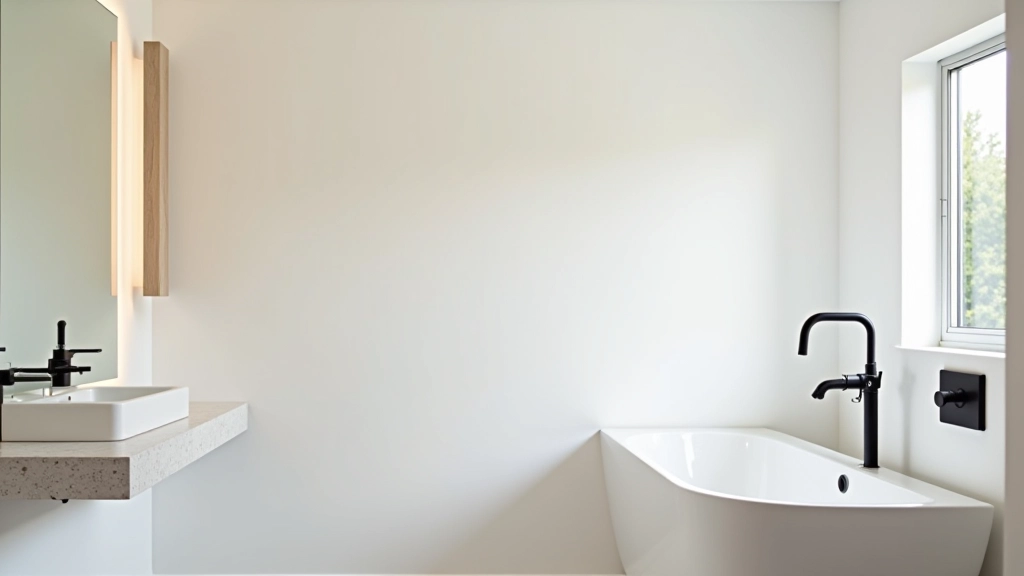
Lighting Setup That Works
- Main ceiling light: 400-500 lumens, 4000K (neutral white)
- Mirror lighting: 200-300 lumens, 3000K (warm white) on each side
- Optional: recessed downlights if you have ceiling height (adds depth)
- All LED: saves energy and lasts 25,000+ hours
Important Note
This article provides general guidance on bathroom renovation principles. Building codes, ventilation requirements, and electrical standards vary by local authority in Ireland. Before starting your renovation, consult with a qualified surveyor, electrician, and plumber to ensure your project meets current Building Regulations and planning requirements. Always get multiple quotes and verify that tradespeople are properly certified and insured.
Bringing It All Together
A well-designed Irish bathroom isn't complicated. It's about understanding your environment and making decisions that work with it. Start with ventilation—that's non-negotiable. Choose materials that handle moisture without complaint. Layer your lighting so the space feels both functional and warm. And don't fight your Irish climate. Instead, embrace it. The soft light, the need for smart materials, the emphasis on comfort over showiness—these aren't limitations. They're actually pushing modern bathroom design in a really good direction.
Most bathroom renovations take 3-6 weeks from start to finish. Planning phase is 2-4 weeks. Once you've got your ventilation, materials, and lighting sorted, the actual installation is straightforward. You'll notice the difference immediately—no more damp smells, better lighting when you're getting ready, and a space that genuinely works for how you actually use it.

Related Articles