Understanding Irish Climate Challenges
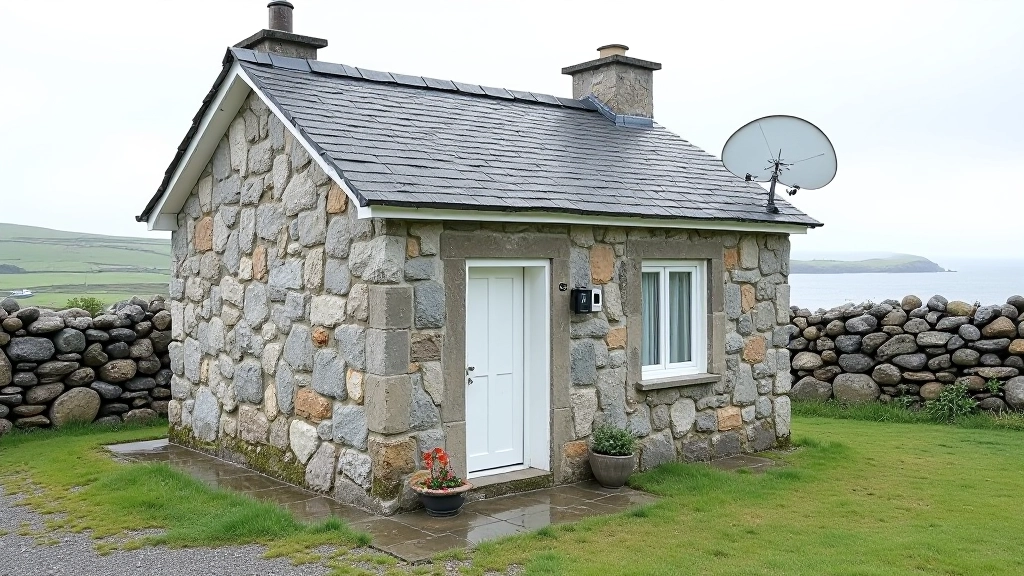
Ireland's weather isn't kind to poor paint choices. We're talking about consistent moisture, salt spray in coastal areas, and dramatic shifts between damp winters and occasional bright summers. Your walls face real challenges — mould growth, paint peeling, colour fading. It's not just about picking something you like looking at.
The humidity levels here stay high year-round. Even inland, you'll find moisture issues. That's why standard paint finishes won't cut it. You need quality exterior-grade products that can handle constant dampness without breaking down. Interior walls need breathable paints too — trapping moisture behind cheap finishes leads to problems within months.
Colour Selection for Natural Light Patterns
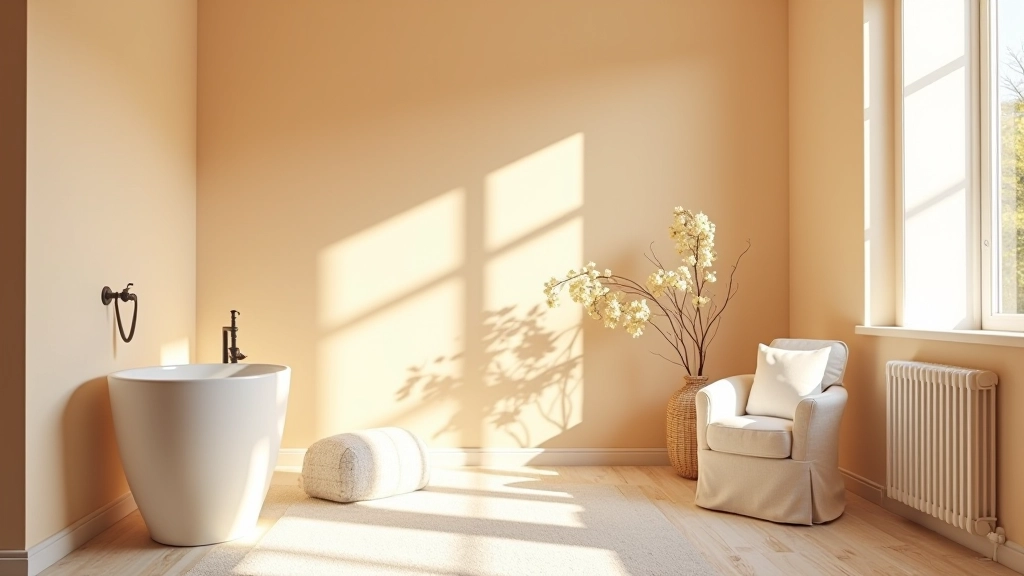
Irish natural light is particular. It's softer than southern Europe, cooler in tone, and changes dramatically with the seasons. A colour that looks warm and inviting in August can feel grey and cold by November. That's not the paint failing — it's just how light works here.
Warmer neutrals work better than pure whites or cold greys. Think soft creams, warm taupes, and gentle sage greens. These don't fight the natural light — they work with it. If you're set on a bolder colour, test large samples on your actual walls for at least a week. Watch how they look at different times of day and in different seasons. Morning light hits differently than afternoon light, and what looks perfect in spring might feel off in winter.
Darker colours work too, but they demand good light sources. In a north-facing room with limited windows, a dark charcoal or deep blue will feel heavy. But in a bright south-facing space? You'll get depth and drama. That's the real trick — matching colour to the actual light conditions in each room, not just picking something from a chart.
Paint Types and Finishes for Durability
You've got several finish options, and they're not all equal. Matte finishes hide imperfections beautifully but don't handle moisture well — they're absorbing it constantly. Eggshell sits in the middle. It's slightly washable and handles humidity better than matte. Satin finishes are more durable still, reflecting light and resisting moisture more effectively.
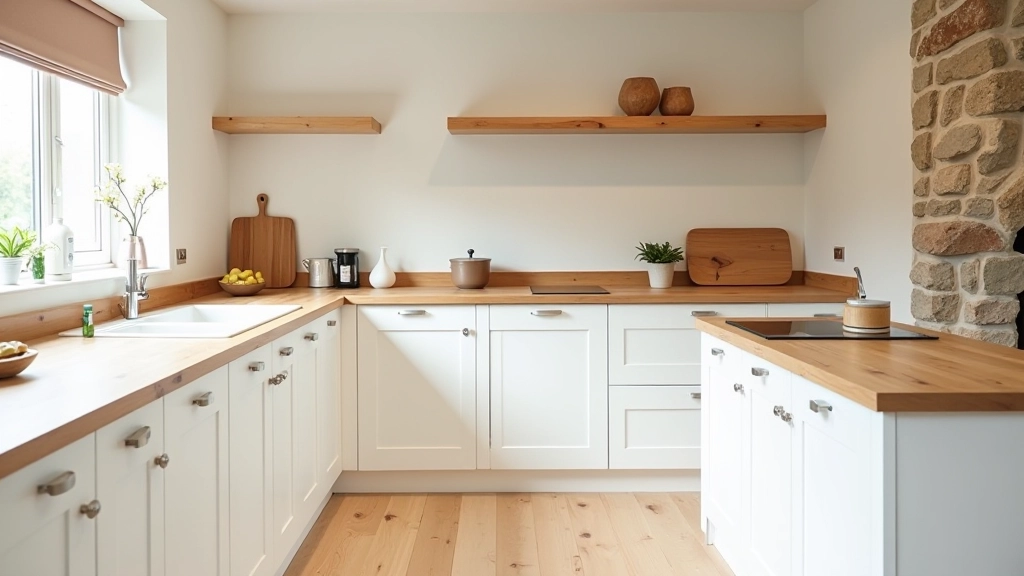
For bathrooms and kitchens, you don't want matte. Satin or semi-gloss finishes shed moisture instead of soaking it up. They're easier to clean too. For living spaces, eggshell gives you that soft look while still managing humidity better than matte. On exterior walls, you're really looking at either a quality exterior-grade satin or semi-gloss — nothing else stands up to Irish weather for more than a few years.
Microporous paints are worth considering for exterior work. They let the underlying surface breathe while protecting from moisture. Traditional acrylics sit on top and can trap moisture underneath, leading to flaking. Microporous technology costs a bit more, but it lasts longer — often 7-10 years instead of 4-5 years before repainting becomes necessary.

Material Choices Beyond Paint
Paint isn't your only option for wall finishes. In kitchens and bathrooms especially, you're seeing more alternatives. Lime-based finishes are traditional in Irish homes for good reason — they breathe incredibly well and resist mould growth naturally. They're not as easy to clean as modern paint, but they're genuinely durable in damp conditions. Some people find that worth the trade-off.
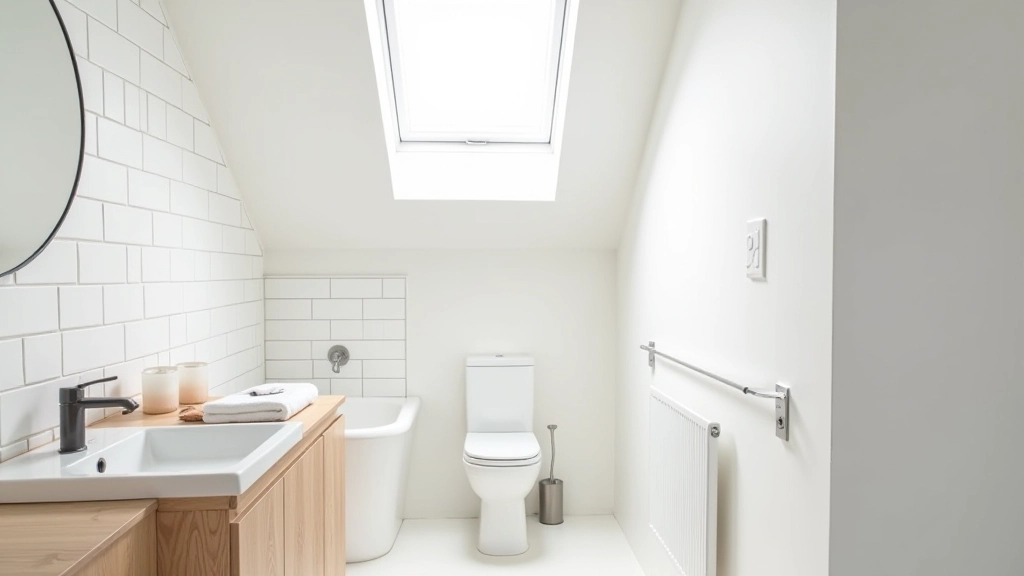
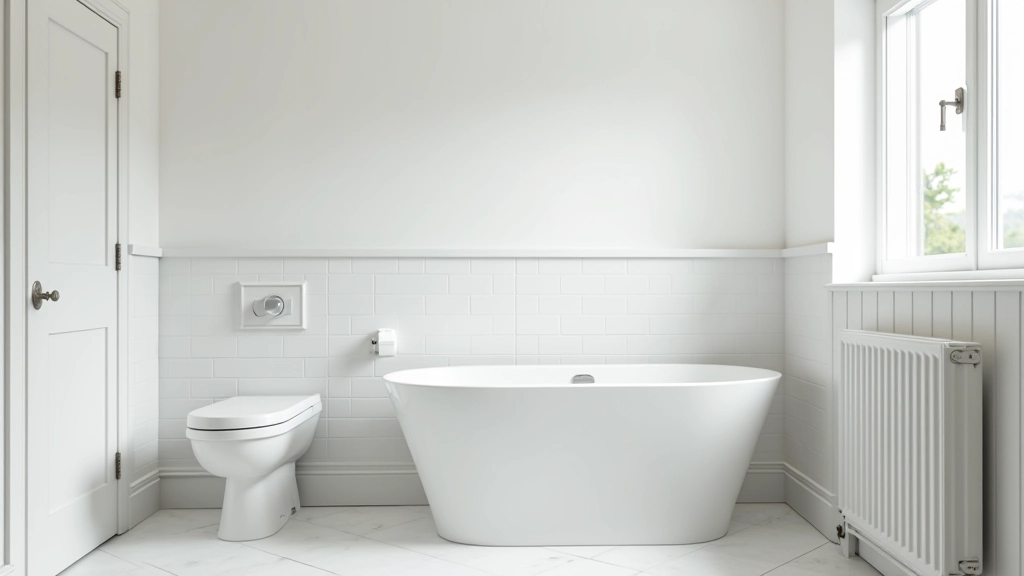
Ceramic tiles remain the standard for wet areas. They don't absorb water, they're simple to clean, and they last decades without degrading. For something less stark than full tiling, you could use tiles to waist height and paint above — it's practical and looks good. Wood cladding works indoors too if you're aiming for that Scandinavian cottage aesthetic. Properly treated wood handles Irish humidity better than people expect, though it does need regular maintenance.
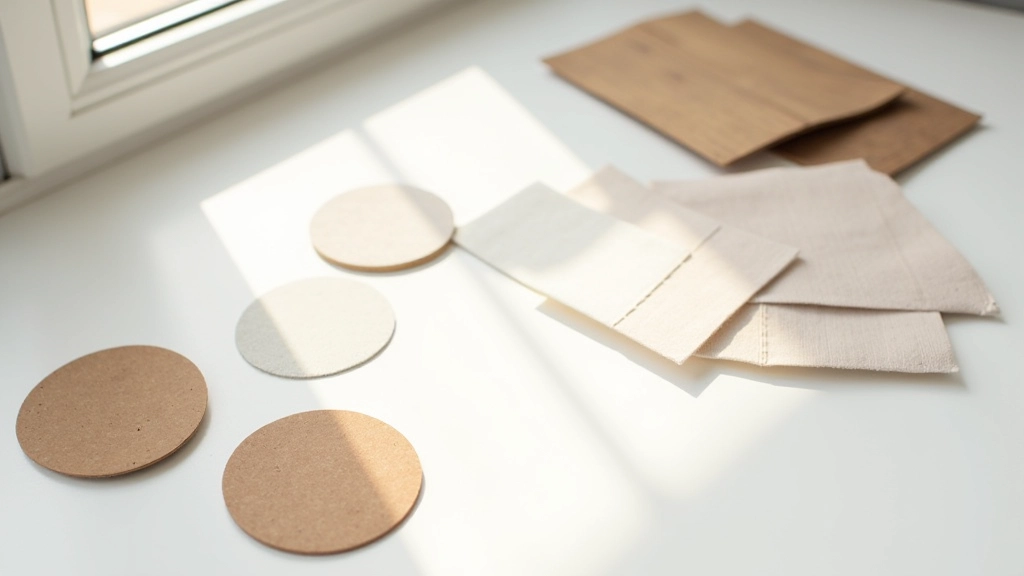
Cork and eco-friendly alternatives are becoming more common. They provide natural insulation, handle humidity well, and feel warm underfoot. They're softer than tiles but tougher than paint alone. The downside? Cost. But if durability and sustainability matter to you, they're worth the investment.
Practical Application and Maintenance
Getting the paint job right starts before you open a tin. Prep work determines everything. You've got to clean surfaces properly, fill cracks, sand rough areas, and prime appropriately. Skipping this will cost you later — even premium paint won't stick properly to dirty or damaged surfaces. In Irish conditions especially, proper prep means your finish will actually last.
Ventilation during painting matters too. Don't seal your home completely while paint is drying. You need air circulation to prevent moisture becoming trapped. Open windows slightly, use extractor fans in kitchens and bathrooms, and let the space breathe. This applies even more in winter when you're tempted to seal everything tight against the cold.
Once painted, regular maintenance extends everything. Wipe down bathroom walls monthly to prevent moisture accumulation. Check for signs of mould or moisture damage regularly — catching it early is far cheaper than dealing with serious dampness later. Every 5-7 years on exterior surfaces, inspect for peeling or degradation. Interior spaces usually need touching up every 7-10 years depending on use and humidity levels.