Kitchen Renovation Planning: From Concept to Completion
A step-by-step guide to transforming your Irish kitchen with smart planning, local expertise, and sustainable materials
Why Kitchen Planning Matters
Your kitchen's the heart of your home. It's where you cook, gather, and create memories. That's why getting the planning right matters so much. We've seen too many renovations go sideways because someone skipped the planning phase — rushed into material choices, didn't think about workflow, or picked finishes that don't handle Irish humidity well.
A well-planned kitchen renovation takes 8-12 weeks from initial design to completion. Yes, that sounds like a while. But it beats spending months living with regrets or having to redo work because something wasn't properly thought through. This guide walks you through each stage — from your first sketch to the day you turn on the cooker in your new space.
The Planning Timeline
Weeks 1-2
Design and material selection
Weeks 3-4
Ordering and logistics
Weeks 5-8
Installation and finishing
Weeks 9-12
Final touches and inspection
Start With Your Layout
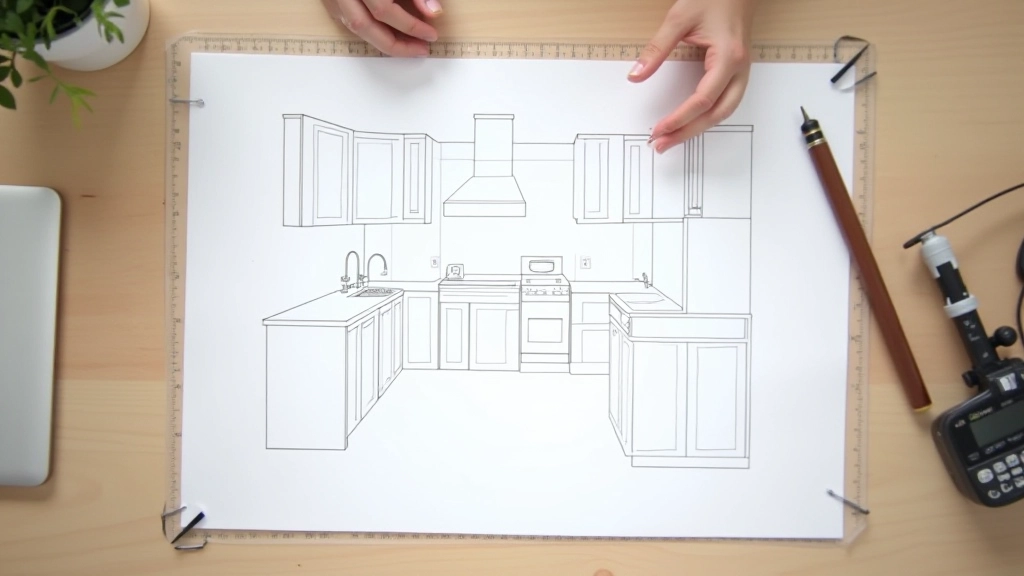
The layout's your foundation. Get this wrong and no amount of fancy finishes will save you. Most Irish kitchens follow the work triangle concept — the distance between your cooker, sink, and fridge. It's not fancy, but it actually works.
Think about how you actually cook. Do you move from sink to cooker constantly? Do you need prep space between appliances? Are there kids who'll be in the space? Consider natural light too — Irish kitchens often struggle with grey days, so positioning your main work area near windows makes a real difference. You'll notice when you're prepping vegetables at 4 PM in November and the light actually helps.
Measure twice, three times actually. Note where electrical outlets sit, where plumbing runs, and whether there's any structural quirkiness — older Irish homes often have interesting angles and surprises. Your tradesperson will appreciate accurate measurements. It saves time and money when they're not discovering problems mid-installation.
Layout Checklist
- Measure the space precisely (length, width, height)
- Note window and door locations
- Mark electrical and plumbing positions
- Sketch traffic flow patterns
- Consider natural light and shadows throughout the day
- Identify structural elements (load-bearing walls, beams)

Materials That Handle Irish Weather
Ireland's climate isn't kind to everything. High humidity, temperature swings, and moisture — it all takes a toll on finishes. You'll want materials that can handle it. Solid wood's beautiful but needs proper sealing and maintenance. Engineered materials often perform better in Irish kitchens because they're more stable against humidity fluctuations.
For countertops, quartz has become the sensible choice. It's durable, handles moisture brilliantly, and doesn't stain like natural stone can. Granite's still popular but needs regular sealing — every 12-18 months. Some people forget and then wonder why water beads oddly on the surface.
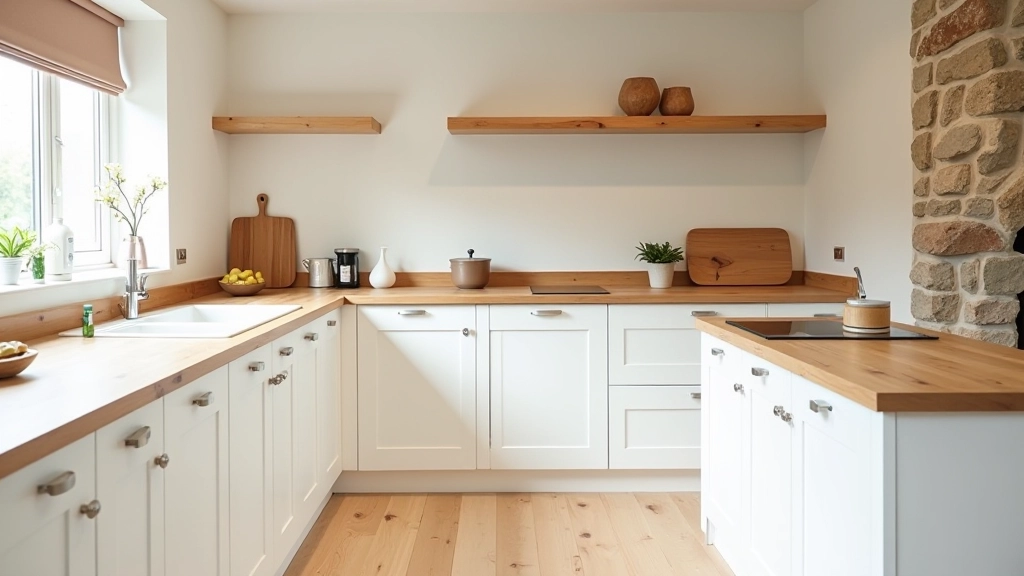
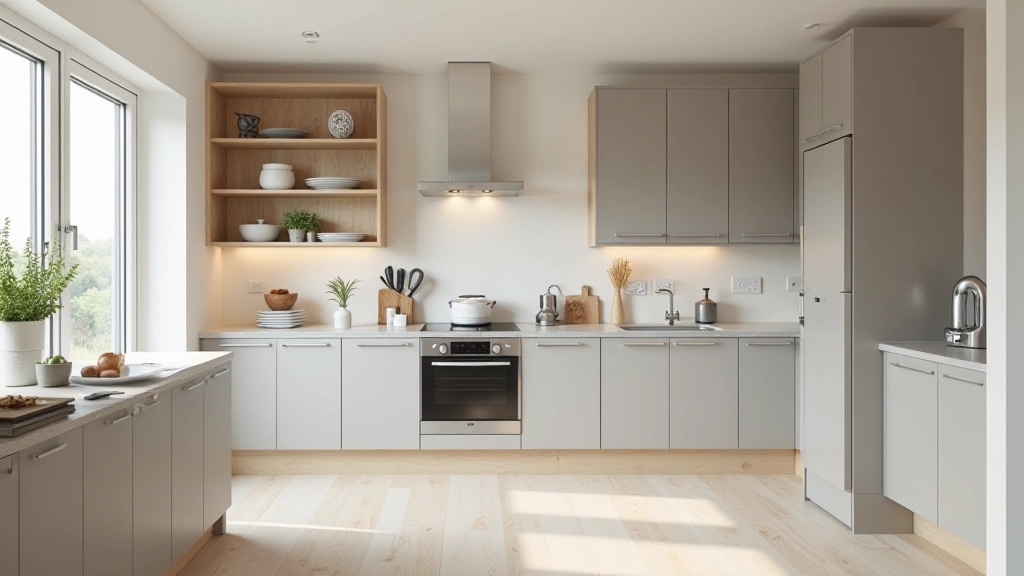
Cabinetry finishes matter more than you'd think. Lacquered finishes look stunning but can show fingerprints and need regular cleaning. Matte finishes are more forgiving. Paint colours for kitchens should lean toward soft neutrals — creams, soft greys, warm whites. They age well and won't feel dated in 5 years. The Scandi minimalist trend works beautifully in Irish homes because it matches our light and creates calm spaces.
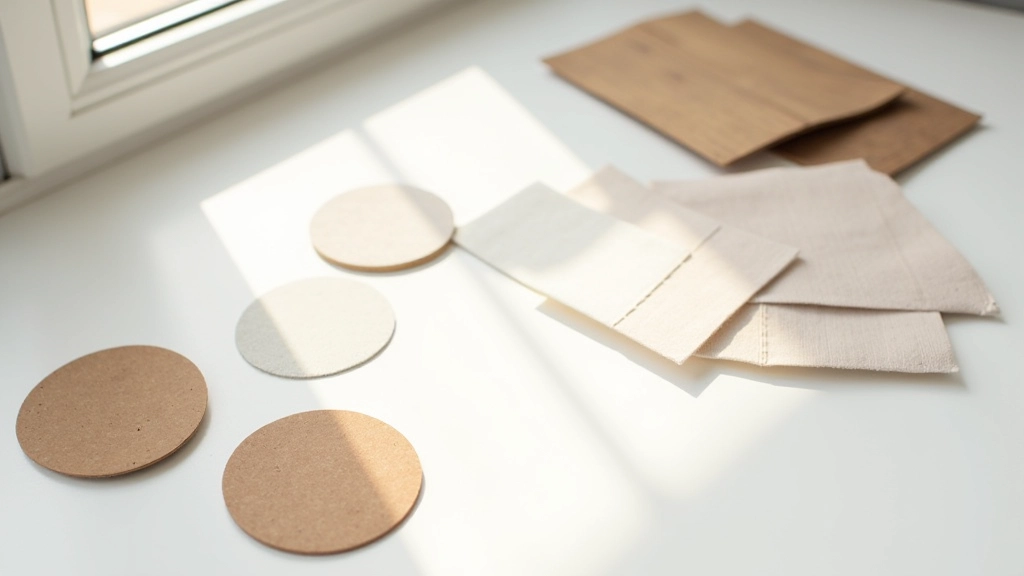
Pro Tip: Request samples from your supplier. Take them home and see how they look in your actual kitchen light at different times of day. Morning light from the east window looks completely different than afternoon light. You'll notice.
Working With Your Local Tradesperson
This might be the most important part of your renovation. You're not just hiring someone to install a kitchen — you're hiring someone who knows Irish building standards, understands how to work with older properties, and won't panic when they discover something unexpected behind the walls.
Find someone through recommendation. Ask friends, family, neighbours. Talk to at least three different tradespeople before deciding. Don't just pick the cheapest quote — that's how you end up with corners cut and problems later. The right person will ask questions about your space, your lifestyle, and your timeline. They'll spot issues you haven't considered and suggest solutions.
Make sure they're clear on communication. You want someone who'll give you regular updates, explain what they're doing and why, and answer questions without treating you like you're wasting their time. A good tradesperson views you as a partner in the project, not an obstacle.
Questions to Ask Your Tradesperson
- How many kitchen renovations have you completed in Irish homes?
- What's your typical project timeline and what causes delays?
- How do you handle unexpected issues or changes mid-project?
- What warranty do you offer on installation?
- Can you provide references from recent projects?

Important Disclaimer
This guide provides educational information about kitchen renovation planning in Irish homes. It's not a substitute for professional advice from qualified architects, builders, or electricians. Building codes, planning permission requirements, and structural considerations vary by location and property type. Always consult with licensed professionals before beginning any renovation work. Energy efficiency improvements may qualify for grants or BER rating enhancements — check with your local council for current programmes and requirements specific to your area.
Bringing It All Together
A good kitchen renovation isn't just about aesthetics — it's about creating a space that works for how you actually live. When everything's properly planned, the installation goes smoother, unexpected costs stay minimal, and you end up with a kitchen you'll actually enjoy using for years.
The Scandinavian minimalism trend works so well in Irish homes because it respects light and space. Clean lines, soft neutrals, minimal clutter. It creates calm. Add some warmth through natural wood or textured elements and you've got something that feels both modern and authentically Irish.
Remember: you're not just renovating a room. You're investing in your home's functionality, your daily comfort, and potentially its energy efficiency rating. Take the time to plan properly. It's worth it.