
Budgeting Your Renovation: Room-by-Room Breakdown and BER Ratings
Plan renovation costs across different rooms. Understand BER energy rating improvements, working with local trades, and realistic timelines for Irish home renovation projects.
14 min read
Intermediate
April 2026

Renovating an Irish home isn't a one-size-fits-all project. Whether you're updating a Victorian terrace in Dublin, a cottage in Cork, or a bungalow in Galway, costs vary wildly depending on which rooms you're tackling and what improvements you're making. The real challenge isn't just deciding what to renovate — it's understanding where your money actually goes.
We're going to break this down room by room. You'll see how budget varies, what trades typically cost, and how energy efficiency improvements (like BER upgrades) can actually save you money long-term. Plus, we'll explore realistic timelines so you're not blindsided by delays or unexpected expenses.
Kitchen Renovation
€8,000–€25,000+ depending on layout changes and materials chosen
Bathroom Upgrade
€4,000–€12,000 for full renovation with quality finishes
Whole-Home Energy
€15,000–€40,000 for insulation, windows, heating system upgrades
Understanding Your Budget Breakdown
When you're planning a renovation, you're juggling three main cost categories: labour, materials, and contingency. Labour typically accounts for 30-40% of your budget. That's your electricians, plumbers, carpenters, and general contractors. Materials make up another 40-50%, and then there's the contingency buffer — usually 10-15% — for the inevitable surprises that crop up once walls come down.
The problem most Irish homeowners face? They underestimate labour costs. A skilled electrician in Dublin runs €60-85 per hour. A plumber might charge €70-100. These rates aren't inflated — they reflect years of training and the cost of running a business. Don't shop for the cheapest quote. You'll end up with rushed work or abandoned projects.
Materials costs depend heavily on your choices. Basic kitchen units from a big-box retailer cost differently than custom cabinetry. Budget porcelain tiles differ from natural stone. The materials you choose set the tone for your entire project timeline and final quality.

Room-by-Room Costs: What to Actually Expect
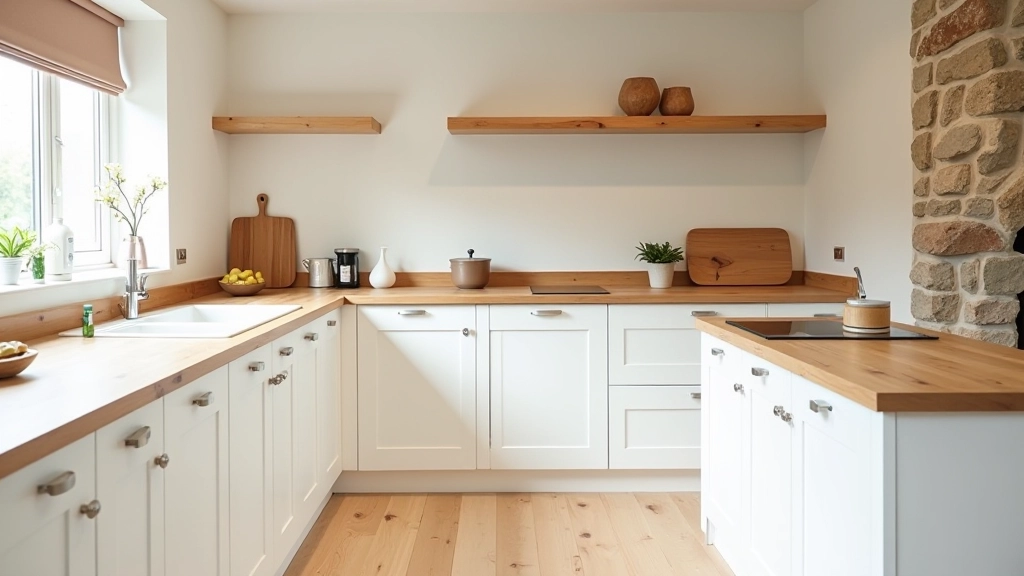
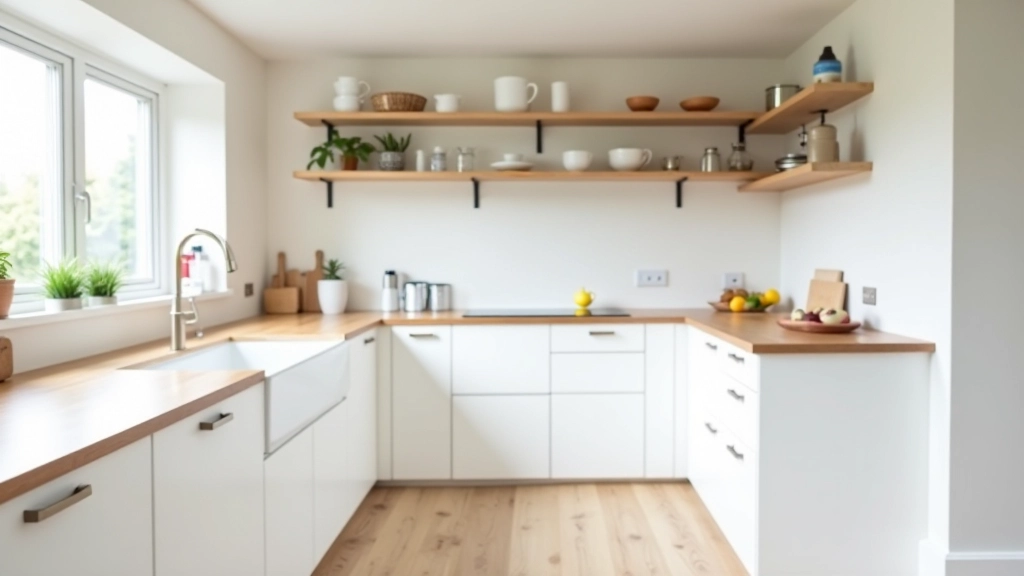
Let's talk specifics. A kitchen renovation in Ireland typically ranges from €8,000 for a basic refresh to €25,000+ for a full redesign with new layout. If you're moving plumbing or electrics — which most kitchens require — you're adding €3,000-€5,000 to your bill. Quality matters here. Cheap units sag within three years. Mid-range European units last 15+ years and won't rattle when you close a drawer.
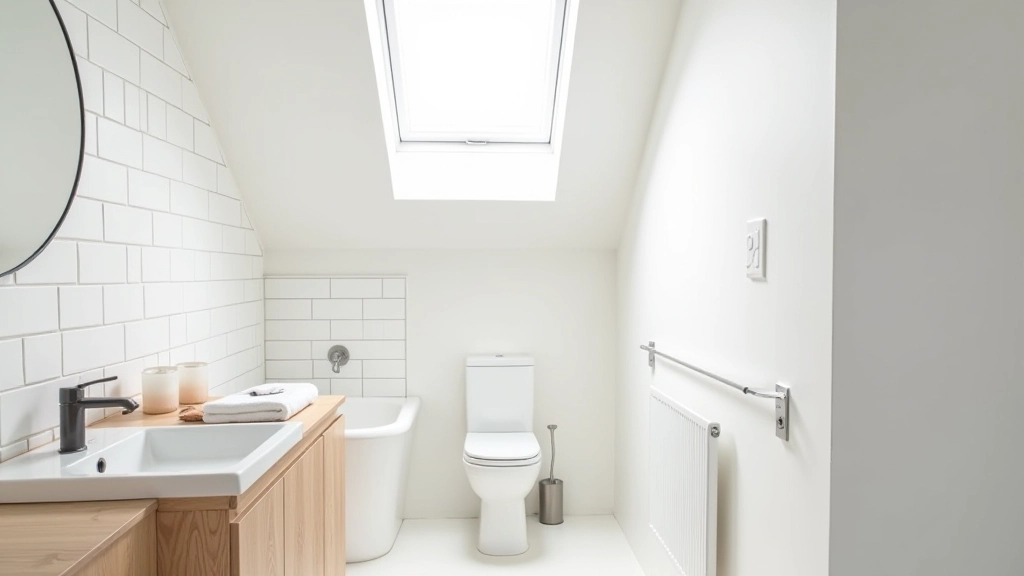
Bathrooms are more straightforward. A basic bathroom (new suite, tiles, waterproofing) costs €4,000-€6,000. Add heated towel rails, underfloor heating, or premium fixtures, and you're looking at €8,000-€12,000. The main cost driver? Waterproofing. Proper waterproofing prevents mould and dampness — it's not optional in the Irish climate, and it's one of those costs you can't skimp on.
Bedrooms are cheaper. Fresh plaster, paint, new flooring, and updated electrics typically run €3,000-€6,000 per room. Living spaces fall in a similar range unless you're doing structural work.
Important Note on Costs and Timelines
The costs and timelines mentioned in this article are based on typical Irish market rates as of 2026 and can vary significantly depending on location, materials chosen, contractor experience, and local conditions. Costs in Dublin tend to run 15-20% higher than rural areas. Always obtain detailed quotes from at least three contractors before committing. These figures are informational — your actual project costs will depend on your specific requirements and circumstances. We recommend consulting with a qualified surveyor and architect for complex renovations.
BER Ratings and Energy Efficiency Investment
Here's where renovation gets interesting — and potentially saves you serious money. Building Energy Rating (BER) improvements aren't just good for the environment. They're a smart financial investment. An Irish home with a poor BER rating (D or lower) loses heat through walls, windows, and roofs. Your heating bills reflect that.
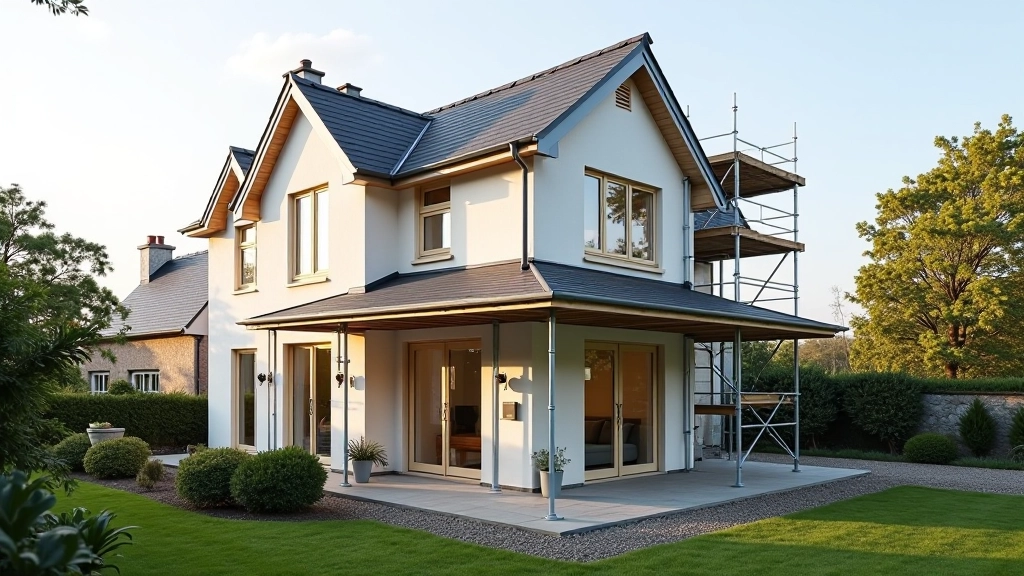
Upgrading from BER D to BER B typically involves: wall insulation (€5,000-€8,000), new windows and doors (€6,000-€10,000), a modern heating system (€4,000-€7,000), and attic insulation (€2,000-€3,000). Total investment? Around €17,000-€28,000. But here's the payoff: you'll reduce heating costs by 30-40%. That's €400-€600 saved annually on heating alone. The investment pays for itself in 30-40 years, but more importantly, your home becomes more comfortable immediately. No more cold spots. No more fighting to keep warm.
Energy efficiency also affects your home's market value. A home with BER B rating commands a premium compared to one rated D. Buyers see lower running costs and comfort.

Working with Local Trades: Finding the Right Team
Your budget means nothing if you're working with unreliable contractors. Finding good trades in Ireland takes effort. Start with recommendations from friends and family — that's still the most reliable source. Check their previous work. Ask for references and actually call them. A good electrician or plumber has happy clients willing to vouch for them.
Interview at least three contractors. Don't choose based on price alone. The cheapest quote often means cutting corners — inferior materials, rushed work, or abandoning the job mid-way. A good contractor provides a detailed written quote breaking down labour, materials, and timeline. They're transparent about potential issues and realistic about delays.
Timelines matter too. A kitchen renovation typically takes 6-10 weeks. A bathroom, 4-6 weeks. A whole-home energy upgrade, 8-12 weeks. Weather affects Irish projects — winter delays are common. Plan accordingly. Don't schedule a kitchen renovation if you're expecting the new layout by Christmas. You won't make it.
Planning Your Next Steps
Budgeting a renovation isn't about squeezing every euro out of your project. It's about making informed choices so your money goes toward quality work that lasts. Room-by-room breakdown helps you prioritize — maybe your kitchen is the priority this year, and the guest bedroom can wait. BER improvements give you a clear return on investment beyond just comfort.
Start with a realistic assessment of what you actually need. Get multiple quotes. Build in a contingency buffer. Work with trades who have solid reputations. And don't rush. A renovation done properly might take longer, but it won't need redoing in five years.
Ready to Plan Your Renovation?
Explore more detailed guides for kitchen and bathroom design, or discover how to choose materials suited to the Irish climate.
Kitchen Renovation Planning GuideRelated Guides for Your Renovation
Bathroom Renovation in Irish Homes: Practical Design Tips
Design a functional bathroom that handles Irish moisture and natural light. Learn about waterproofing, ventilation, and modern finishes.
Read Guide
Choosing Paint Colours and Materials for Irish Climate
Selecting finishes that withstand Irish weather and humidity. Explore paint colours, flooring, and materials that work with natural light.
Read Guide